Loravenax Stainless Steel Digital Kitchen Scale with LCD Display, Tare & Unit Controls for Baking, Cooking and Everyday Ingredient Weighing
Loravenax Stainless Steel Digital Kitchen Scale with LCD Display, Tare & Unit Controls for Baking, Cooking and Everyday Ingredient Weighing
Couldn't load pickup availability

Loravenax Stainless Steel Digital Kitchen Scale with LCD Display, Tare & Unit Controls for Baking, Cooking and Everyday Ingredient Weighing
⚖️ A Better Recipe Begins Before the Oven Goes On
Before the first stir, before the dough comes together, before the kitchen fills with the scent of something baking, there is a quieter step: getting your ingredients ready. It is easy to rush past it. A little extra flour, a loosely filled spoon, a handful that changes from one day to the next. But when you want to make a recipe again, knowing what went into it is a useful place to start.
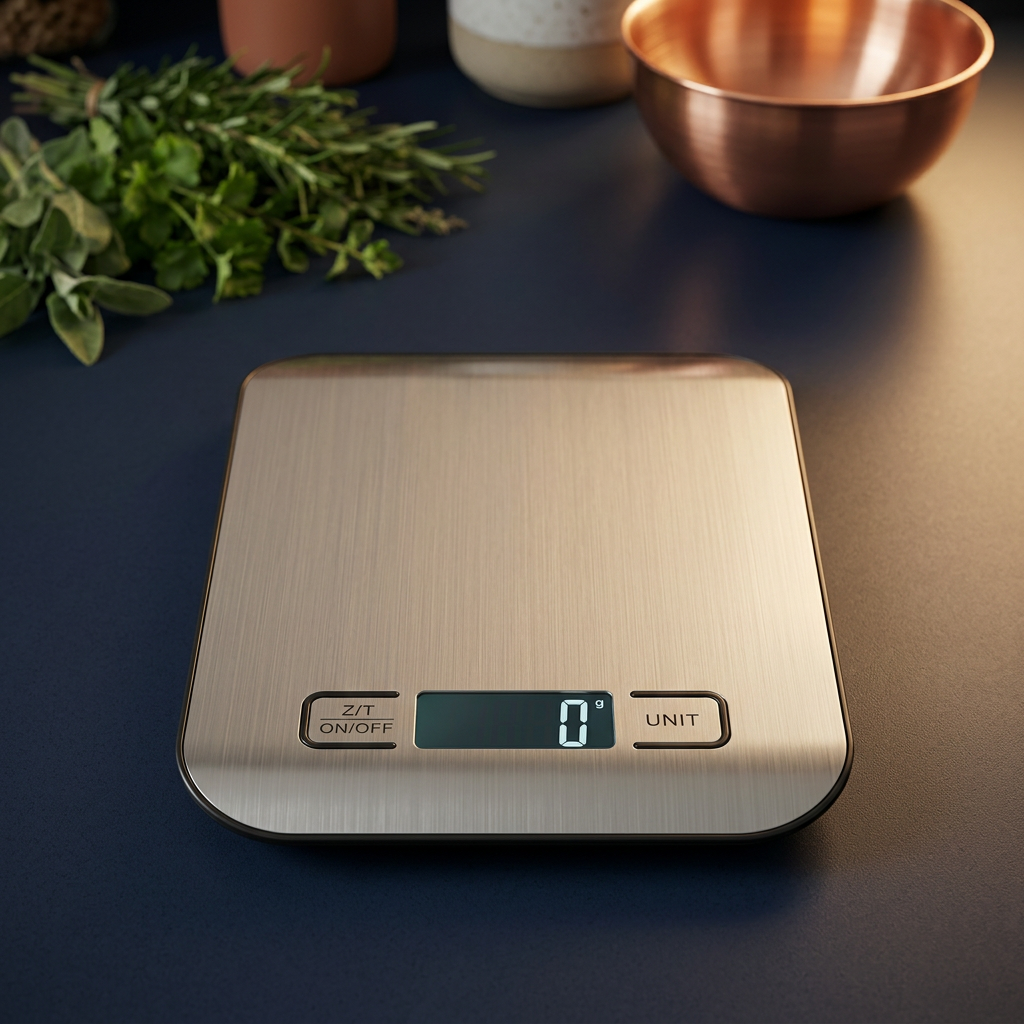
The Loravenax Stainless Steel Digital Kitchen Scale brings a clear weighing step to your countertop routine. Its rounded rectangular platform, front-facing digital display and two clearly marked controls create a straightforward setup for everyday ingredient preparation. Use it when you bake, when you portion ingredients for a shared meal, or when you want to record the quantities behind a dish worth making twice.
Less estimating by eye. More attention to what goes into the bowl.
📓 Start with the Recipe You Want to Make Again
Think of the cookies everyone asked you to bake one more time. Or the breakfast mixture that tasted just right, even though you cannot quite remember how much you added. Weighing ingredients gives you quantities you can write down rather than relying only on the appearance of a filled container.
That is particularly useful when a recipe is written by weight. Instead of trying to translate every amount into a scoop or handful, you can follow its measuring method directly using a supported unit. A scale does not guarantee a particular result, but it gives you a more defined preparation process to repeat and refine.
Keep a notebook beside your mixing bowl. Record the ingredient weights, any substitutions and the changes you would make next time. Over time, your favorite recipe becomes a set of choices you understand, not just a fortunate guess.
🔢 Read the Amount Where You Are Working
The reference design places a dark digital display near the front edge of the platform, with contrasting numerals and a visible unit indicator. This gives you a specific place to look as you add ingredients, rather than asking you to interpret a dial or estimate the contents of a bowl.
Choose a container that leaves the display visible and sits securely on the platform. Add ingredients gradually, pause for the reading to settle and check both the number and the selected unit before moving on. A recipe amount is only useful when you are reading it in the correct unit.
The pictured display shows grams, and the control marked UNIT provides a way to select among the model's supported units. The complete list of available modes should be checked in the supplied instructions; no particular unit range or liquid-volume mode is promised here.
🥣 The Bowl Is Part of the Setup, Not the Ingredient
A useful kitchen workflow separates the container's weight from the food you intend to measure. The visible Z/T control is marked for zero/tare operation. Follow the supplied instructions to place an appropriate empty container on the scale and reset the reading before adding the ingredient.
This keeps the process focused on the amount being added, rather than asking you to subtract the bowl's weight yourself. Check that the display has returned to zero before pouring. If you reset between ingredients in a shared bowl, do so only as directed by the manual and keep track of each addition in your recipe.
Remember that taring does not remove the physical load on the scale. The combined weight of the container and everything inside still needs to remain within the confirmed maximum capacity.
🍞 One Countertop Tool, Several Ways to Prepare
For the weekend baker
Set out your recipe, position the scale on a firm counter and prepare suitable bowls for dry ingredients. Weigh flour, sugar or oats according to the recipe's method, keeping loose powders away from the controls. Take your time with the final additions instead of pouring a large amount at once and trying to remove the excess.
For the everyday cook
Use a suitable container to weigh ingredients such as dry lentils, grains or prepared vegetables within the scale's rated range. It is a practical way to divide a recipe into portions or keep track of the amounts you use in a family favorite. Ingredient weight alone does not tell you its nutritional content, so treat this as a weighing tool rather than a nutrition calculator.
For the breakfast routine
A bowl of oats, fruit and other toppings can be assembled with quantities you choose and record. Place the bowl securely, use the tare function as directed and add each ingredient gradually. The point is not to make breakfast complicated; it is to make your own routine easier to repeat.
🧁 A Small Scene from a Saturday Kitchen
The recipe is open, a mixing bowl waits beside the butter, and sunlight falls across the counter. You put the scale on a clear, level section of worktop. The bowl goes on first. A reset brings the reading back to zero, then flour falls in a little at a time.
You pause, check the display and make the last addition slowly. When the ingredients are ready, you move on to mixing without wondering how tightly you packed a measuring cup. After baking, you note what worked. Next Saturday, there is a familiar starting point waiting in your recipe book.
That is the appeal of a simple weighing routine: not a promise that every bake will be perfect, but a clearer way to prepare, learn and try again.
🩶 Stainless Steel, Softened by Rounded Edges
The stainless steel platform gives the scale a clean metallic presence that sits naturally beside mixing bowls, cutlery and kitchen appliances. Rounded corners soften its outline, while a dark perimeter frames the silver surface. The display and controls stay grouped along one edge, leaving the main platform visually uncluttered.
The flat form is easy to incorporate into a preparation area without creating the appearance of a bulky appliance. Before storing it, check the actual dimensions against your available space and protect the weighing surface from pressure or impact. Do not stack heavy items on it or assume it is designed to hang, stand upright or fit a particular drawer.
No steel grade, coating specification or scratch-resistance rating is claimed. Care for the surface according to the manufacturer's directions.
🛠️ Make Good Setup a Habit
- Choose a stable surface. Place the scale flat on a firm, level counter, not on a soft towel or uneven mat.
- Check the power instructions. Use the specified power source and follow the model's startup guidance. The image does not confirm a battery type or charging capability.
- Confirm zero and units. Read the display before loading and select the unit required by your recipe.
- Center a suitable container. Keep it supported on the platform, without contact with surrounding objects that could affect the reading.
- Add slowly and wait. Let the displayed weight settle before noting the amount or adding the next ingredient.
- Stay within the rated capacity. Include the container's weight even when the display has been tared.
🫧 Clean Up Without Treating It Like a Mixing Bowl
Remove the container and loose ingredient residue after use. Clean the platform with a soft cloth using only the methods approved for the actual model, then dry it before storage. Take particular care around the display, button edges and any power compartment.
Do not immerse the scale, rinse it under a running tap or put it in a dishwasher unless the manufacturer expressly permits those methods. Keep hot cookware off the platform and avoid dropping heavy containers onto it. A stainless steel surface does not make the electronics waterproof or suitable for high heat.
📌 Know What You Are Choosing
- Product: a digital kitchen scale with a stainless steel weighing platform.
- Visible layout: rounded rectangular body, front LCD, left Z/T ON/OFF control and right UNIT control.
- Intended routine: weighing suitable kitchen ingredients within the specified operating range.
- Specifications to check: maximum capacity, minimum load, measurement increments, supported units, dimensions and power requirements.
- Package clarity: the reference shows the scale itself. Bowls, ingredients, utensils, batteries and other accessories are not confirmed as included.
No particular precision, calibration certificate, waterproof rating, rechargeable function or automatic shutoff feature is claimed. Check the supplier's confirmed specifications if your intended recipe requires especially small quantities or a particular measurement resolution.
🏁 From a Number on the Screen to Something Worth Sharing
A scale does not choose your ingredients or replace your instincts. It gives those instincts something concrete to work with: quantities you can follow, record and adjust. Whether you are preparing a familiar loaf, dividing ingredients for dinner or trying a recipe for the first time, that extra clarity can become a useful part of how you cook.
Bring the Loravenax Stainless Steel Digital Kitchen Scale to your preparation space for $36.99 USD. Start with a level counter, a suitable bowl and a recipe you are ready to make your own.